

Blepharoplasty (Eyelid Surgery) in Fort Worth & Colleyville
Upper and lower eyelid surgery to refresh tired-looking eyes.
Dr. Smith, Board Certified in facial plastic surgery, is more than capable of helping patients once again achieve a youthful look. Dark circles, bags, or other disfiguring problems with the eyelids can make a person look chronically tired, sad, or worn out. Eyelid surgery (Blepharoplasty) can improve the appearance of both the upper and lower eyelids, so they no longer become a source of distraction.
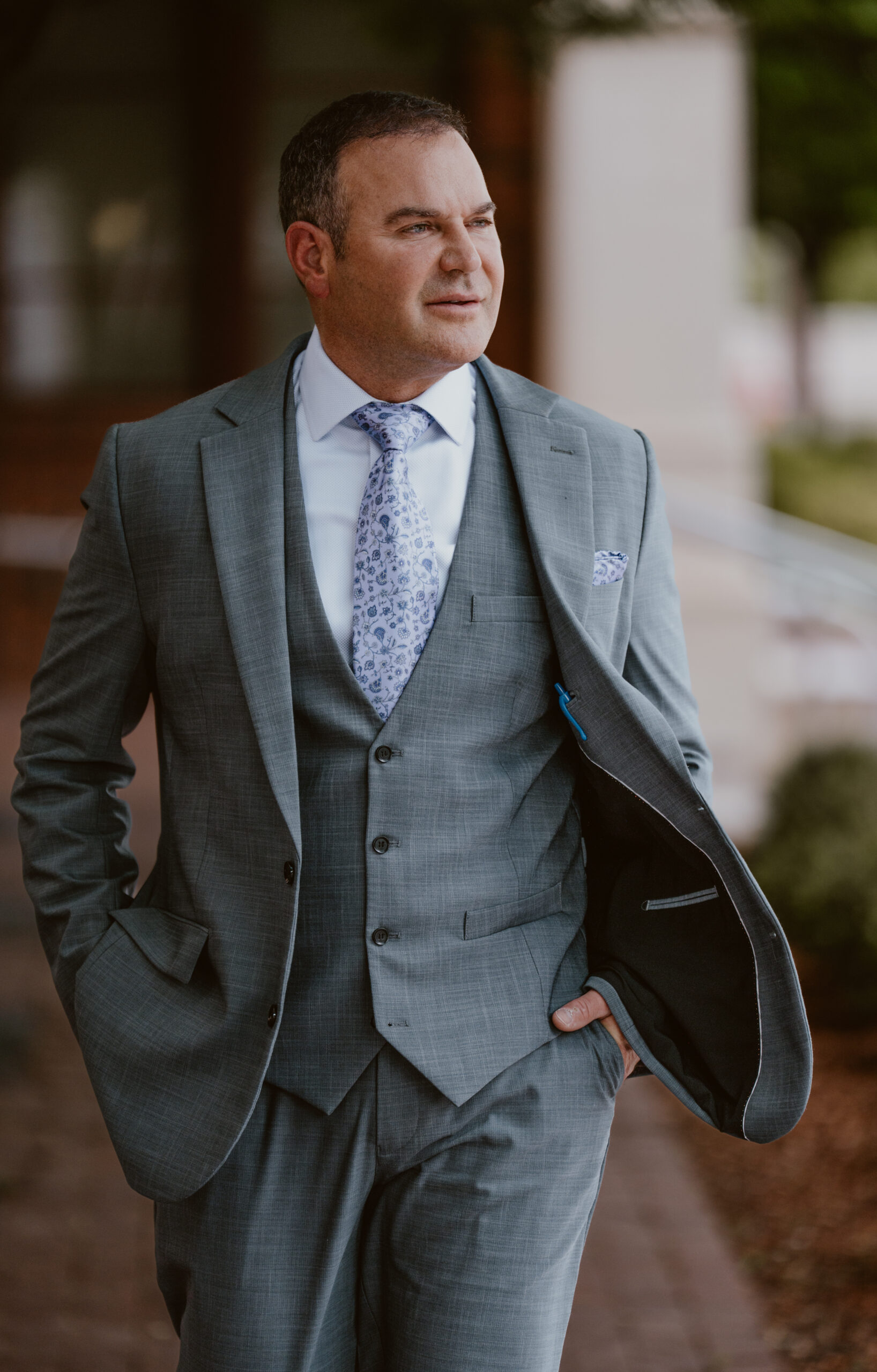
Blepharoplasty (Eyelid Surgery) in Fort Worth & Colleyville
Are your eyes making you look more tired than you feel? Eyelid surgery, or blepharoplasty, can restore a refreshed, alert appearance by removing excess skin and reducing puffiness around the eyes. For many people, it is one of the most impactful facial procedures available, improving both appearance and confidence.
Blepharoplasty can be performed on the upper eyelids, lower eyelids, or both, depending on your goals.
Upper Eyelid Blepharoplasty
Upper eyelid surgery removes excess skin and fat that can cause hooding, puffiness, or a heavy look around the eyes. For some patients, it can improve peripheral vision by lifting sagging skin that droops over the lashes.
The procedure is typically minimally invasive, and in some cases, it can be done under local anesthesia in the office. Small incisions are hidden in the natural eyelid crease for a natural result. Most people are back to normal activities within about a week, with swelling resolving over the following days and weeks.
Patients often describe their results as refreshed and natural. If your upper eyelids feel heavy or friends say you look tired, you may be a candidate for upper blepharoplasty.
Lower Eyelid Blepharoplasty
Lower eyelid surgery focuses on reducing puffiness and smoothing the skin beneath the eyes. For many people, under eye bags persist even with plenty of rest, often due to genetics or natural fat changes that come with age.
During surgery, Dr. Smith removes or repositions fat pads and tightens the skin beneath the eyes. Depending on your anatomy, he may use different techniques, and in some cases secure the lid at the canthus for support. The goal is a natural, refreshed look without altering your overall expression.
Recovery usually involves one to two weeks of swelling and mild bruising. Results can last for years and help you look less tired and more youthful.
Transconjunctival blepharoplasty places the incision inside the lower eyelid, leaving no external scar. Best for patients whose primary concern is bulging fat without significant skin laxity. Faster recovery, lower risk of certain lid-position complications.
Transcutaneous blepharoplasty places a small incision just below the lash line. Allows for skin removal in addition to fat repositioning. Appropriate for patients with both bulging fat and excess skin.
Fat repositioning moves orbital fat from areas where it has bulged into areas where the lid has hollowed, rather than removing it. Often produces a more natural, rejuvenated appearance than fat removal alone.
Dr. Smith chooses the technique that fits each patient's anatomy and goals at the consultation. The right answer is rarely the same for two patients.
Combined Upper and Lower Blepharoplasty
Many patients benefit from treating both upper and lower eyelids together. This approach helps maintain balance and harmony across the eyes, creating a comprehensive rejuvenation of the upper face. Recovery remains relatively simple, with most patients returning to work within one to two weeks. Results are discreet but long lasting.
Who Is a Candidate for Blepharoplasty?
Good blepharoplasty candidates are typically in good general health, non-smokers or willing to stop smoking before and after surgery, have visible upper lid hooding, lower lid puffiness or hollowness, or excess eyelid skin that bothers them, and have realistic expectations. Patients with severe dry eye, thyroid eye disease, or certain other conditions need screening at the consultation.
The right age for blepharoplasty varies more than most patients expect. Some patients have hereditary upper eyelid hooding or lower eyelid bulges in their late 20s or 30s and are good candidates at that age. Others wait until their 50s, 60s, or beyond. Skin elasticity, family history, and individual anatomy matter more than chronological age.
What to Expect, Week by Week
The first week is the most visible recovery phase. Bruising and swelling peak around days 3 to 5. Cool compresses for the first 48 hours. Sutures (if used) removed at the first follow-up. Limited reading, screen time, and bending over during the first few days. Most patients take one week off work. Bruising can be covered with makeup after about a week. Detailed recovery instructions in the Blepharoplasty Post-Op guide linked below.
Weeks two through four. Bruising fades. By two to three weeks, most patients are presentable in any setting. By four weeks, normal activities including light exercise resume.
Months one through six. Full result develops as residual swelling resolves and incisions mature. Scars fade and are typically essentially invisible by six months.
Why Choose Dr. Jesse Smith
Dr. Jesse E. Smith is a dual board certified facial plastic and reconstructive surgeon in Fort Worth, Texas. He specializes in facial procedures and brings extensive experience and artistry to every surgery. His goal is always to deliver natural, balanced results that enhance your features rather than change them.
Schedule a Consultation
If your eyelids make you look tired, worn out, or older than you feel, it may be time to explore blepharoplasty. Schedule a consultation with Dr. Jesse Smith to discuss your goals and learn which approach is right for you.
Frequently Asked Questions
How long is recovery from blepharoplasty? Most patients take one week off work. Bruising fades over the first two to three weeks. Light exercise resumes around three to four weeks. Full results develop over several months.
Will eyelid surgery leave visible scars? Upper blepharoplasty incisions are placed in the natural lid crease and heal essentially invisibly. Lower blepharoplasty can be performed with no external scar (transconjunctival approach) or with a small incision just below the lash line that heals well in most patients.
How long do blepharoplasty results last? Upper blepharoplasty results typically last ten years or more. The procedure does not wear off; the face continues to age from a more rested starting point.
Is blepharoplasty covered by insurance? Our office does not bill insurance for eyelid surgery. Blepharoplasty is handled as a self-pay procedure, and we provide a clear written quote at your consultation.
Does Dr. Smith perform Asian double eyelid surgery? Yes, as a distinct procedure with its own technical considerations. See the dedicated Asian Double Eyelid Surgery page.
What is the right age for blepharoplasty? There is no single right age. Skin elasticity, family history, and individual anatomy matter more than chronological age.
Asian Double Eyelid Surgery
Around 50% of people of East Asian descent have eyelids that either have no pretarsal crease or only a partial crease. This is called a mono lid eyelid, and it does not always cause functional or cosmetic problems. However, some individuals experience obstructed vision or eye irritation from the eyelashes.
Choosing Asian double eyelid surgery, also known as Asian blepharoplasty or Asian eyelid surgery, helps create an upper eyelid crease. This can improve a patient’s line of vision or enhance the cosmetic look of the eye as a whole.
Learn more about Asian Double Eyelid Surgery from Dr. Smith
Blepharoplasty Post Op

Blepharoplasty Post Op
Blepharoplasty Before & After
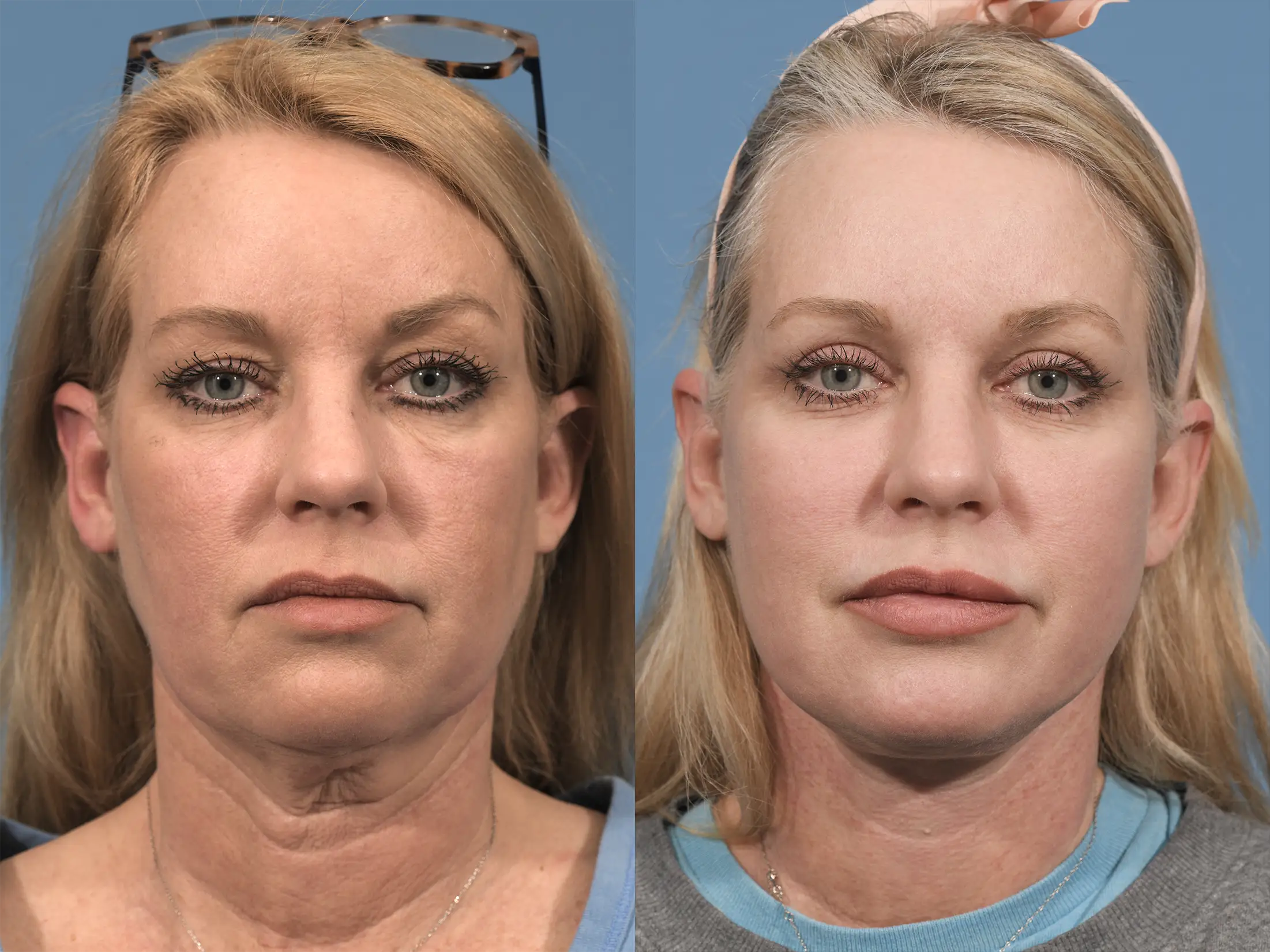
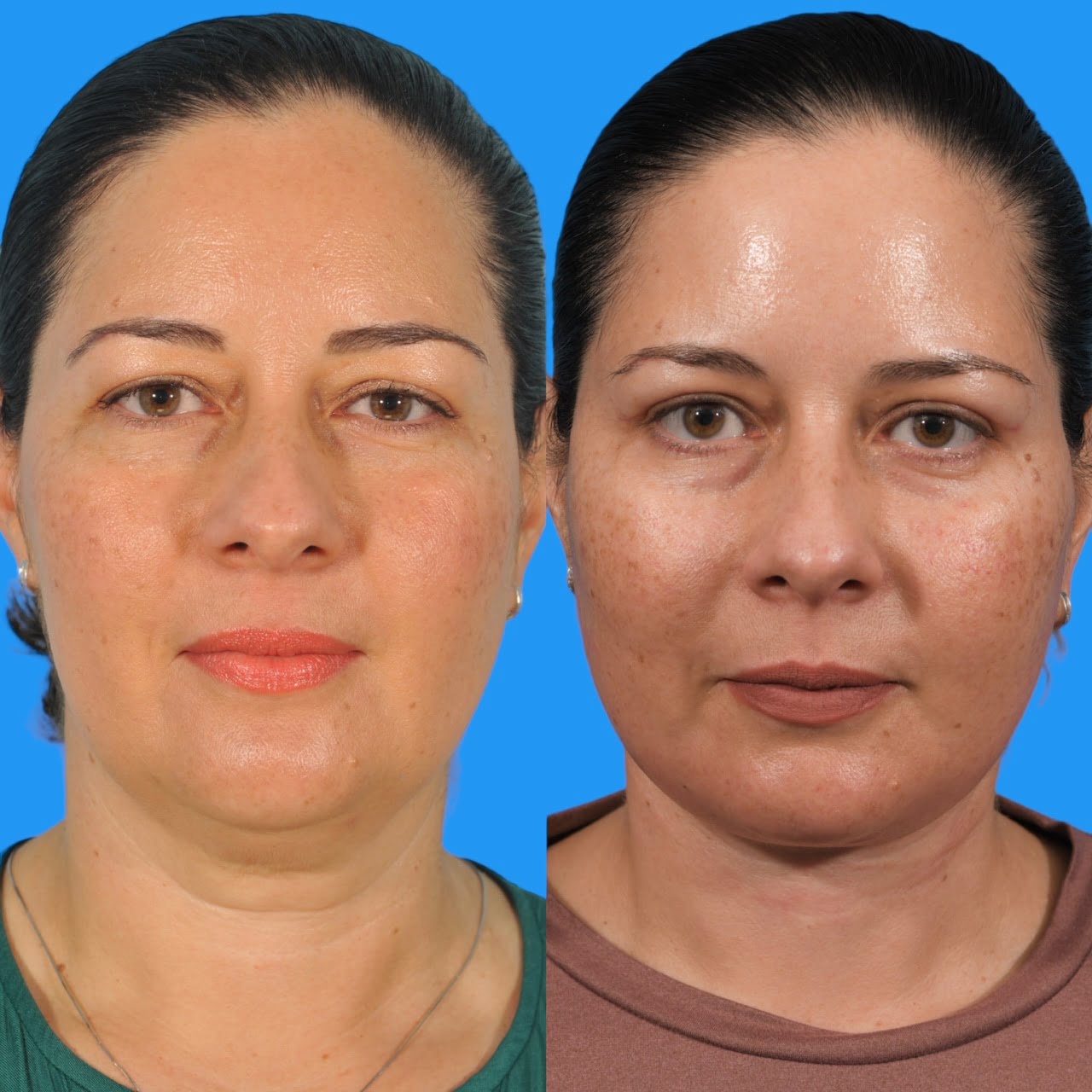
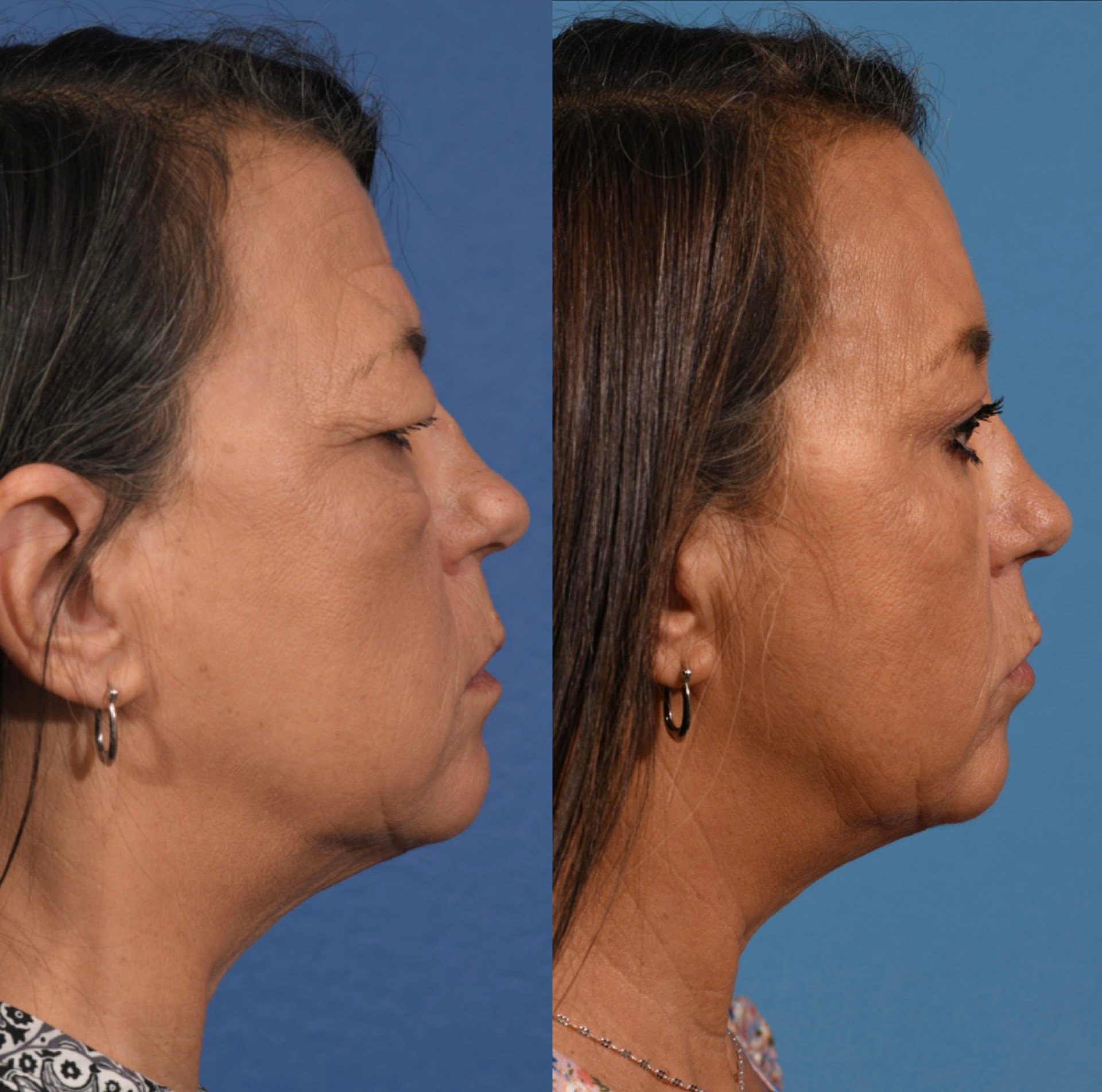
Every blepharoplasty begins with a private, in-person consultation

Schedule a private
consultation
Two locations across the DFW area. All consultations are conducted personally by Dr. Smith.
Fort Worth, TX 76104
Colleyville, TX 76034